The Quickest Timeline of Old Vegas: 1950 to 1996
Old Las Vegas is often painted with broad strokes of “glitz and glamour,” but the reality from 1950 to 1996 was far richer and more complex. This was a time when the postwar resort boom reshaped the Las Vegas Strip into a neon oasis, where architectural eye candy and all-in-one entertainment ecosystems defined the city’s allure. In this post, we will map a rapid timeline of key moments that crystallize what old Vegas truly was, anchored by landmarks like the Desert Inn (1950), cinematic gems like Ocean’s 11 (1960), and the Sands implosion (1996).

1950: The Desert Inn Opens – Kicking Off the Resort Boom
The 1950 opening of the Desert Inn marked the first bold step in what would become the postwar resort boom along the Strip. Designed not just as a casino but as a lavish retreat with sprawling pools, golf courses, and nightlife venues, the Desert Inn set a blueprint for all-in-one resorts.
Las Vegas’ economy, buoyed by wartime industrial growth and relaxed gambling laws, was ready for this type of complex. The Desert Inn was more than a hotel—it was a destination aimed at turning visitors into long-stay guests who could eat, gamble, watch shows, and swim without ever leaving the property.
Neon Signs and Attention-Grabbing Architecture
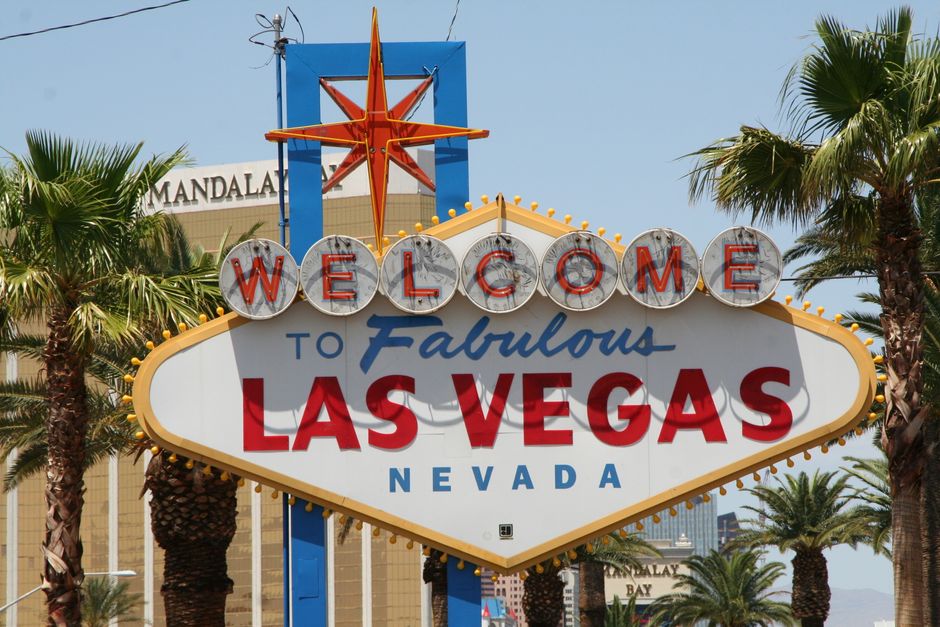
The Desert Inn’s futuristic signage was part of a growing trend. Inspired by roadside attractions and commercial hubs from places as varied as Route 66 and California’s emerging car culture, casinos used neon signs to dominate the night sky. This was not just about advertising; it was an artistic battle for visibility amid an increasingly crowded Strip.
Fifties Web has documented this era’s signage and mid-century design, noting how neon became an indispensable element in the Strip’s identity during the 1950s.
Late 1950s to 1960s: The Sands and the Rat Pack Era
By the late 1950s, the Desert Inn was joined by other iconic resorts like the Sands, built in 1952. The Sands not only competed in terms of luxury but also in its dependency on showrooms and celebrity presence.
The 1960 film Ocean’s 11 immortalized the Sands and its famous Rat Pack performers (Frank Sinatra, Dean Martin, Sammy Davis Jr., among others). This crossover between Hollywood and Vegas showrooms was no accident—it was a calculated move to elevate Vegas from merely a gambling hub to a glamour destination.
Resorts as Entertainment Ecosystems
By the early 1960s, resorts along the Strip were complete entertainment complexes. Their showrooms hosted everything from musical revues to magic acts and comedy shows. The casino floor was just one component. Hotel rooms, pools, nightclubs, and fine dining all worked in tandem to keep guests engaged—and spending money.
This era saw the Strip’s architecture shift to accommodate these production shows, with bigger theaters, sound systems, and backstage areas, raising entertainment to a headline act rather than a sideshow.
1970s to 1980s: Expansion and Change
The postwar boom that began in the 1950s didn't just continue; it transformed. Larger resorts opened, and corporate ownership became the norm. The flashy, smaller neon signs gave way to grander light displays, but the emphasis on attention-grabbing architecture held strong.
These decades witnessed a diversification of shows—from lounge performers and variety acts to big name residencies and elaborate production spectacles. Strikingly, even as casinos expanded their gambling options and focused increasingly on hotel amenities, the showroom remained essential—a tradition dating back to the Sands and Desert Inn.
1996: The Sands Implosion and the End of an Era
The implosion of the Sands hotel and casino in 1996 was a symbolic and literal demolition of old Vegas. More than just tearing down a building, it marked the close of a chapter defined by postwar architecture, Rat Pack legends, and the golden age of showroom entertainment.
With modern mega-resorts emerging—complete with theme parks and mega-casinos—old Vegas’ human-scale charm with neon and lively showrooms fiftiesweb.com was replaced by corporate glitz and sprawling spaces.
Common Misconception: Ticket Prices, Room Rates, and Show Schedules
In recounting Vegas history, many sources, including some from Smithsonian’s extensive si.edu archives, focus on lavish photographs and celebrity anecdotes. What often goes unmentioned are daily specifics like ticket prices, room rates, or exact show schedules. These gaps in archival records mean much of our understanding relies on broader cultural history rather than minute economic details.
Historic databases and casinos like MrQ Casino (mrq.com) today often illustrate how Las Vegas’ essential draw was—not prices or schedules—but the immersive atmosphere created by these entertainment ecosystems and architectural marvels.
Summary: Key Themes in Old Vegas from 1950 to 1996
- Postwar Resort Boom: Initiated by the 1950 Desert Inn, this era laid the groundwork for the Strip’s all-encompassing entertainment resorts.
- Neon and Architecture: Signage and design were weapons in a battle for visual dominance that reached creative heights in the mid-century.
- Entertainment Ecosystems: Resorts were not just gambling halls—they were venues boasting swimming pools, golf, dining, and some of the biggest showroom productions of the era.
- Showrooms as Main Attractions: The Sands and Desert Inn, especially during the Rat Pack era and the making of Ocean’s 11 (1960), underscored the importance of live entertainment.
- Changing Landscape: The Sands implosion in 1996 closed a chapter, replaced by mega-resorts and corporate expansions.
Resources for Further Exploration
- Fifties Web – for detailed documentation on mid-century neon signs and design.
- Smithsonian Institution – for cultural archives on Las Vegas entertainment history.
- MrQ Casino – for contemporary perspectives on casino entertainment evolution.