MrQ Casino Deal or No Deal: What’s Different from Watching on TV?
On television, Deal or No Deal is part game, part suspense machine. A contestant picks a case, opens others one by one and weighs an offer from the Banker against the chance that the top prize is still theirs. Viewers can play along from the sofa, but the real decisions belong to the person onstage.
A casino-style version changes that relationship. On MrQ Casino, a Deal or No Deal game is a digital, interactive experience built around recognisable elements of the TV format. Instead of watching someone else make the choices, a player engages with the game directly. That shift can make the action feel immediate—but it also means the experience is not simply an episode of television moved onto a phone.
The key difference is adaptation versus replication. A screen-based game may borrow the format’s cases, suspense and visual language while using its own rules, pacing and prize structure. Understanding that distinction helps explain what carries over from the show, what changes, and why probabilities and costs deserve more attention than the familiar soundtrack.
The basic premise is easy to recognise
The show’s central idea is famously simple: keep a case that might contain a valuable prize, open other cases to reveal what is no longer available, and decide whether to accept an offer or continue. That clarity is a major reason the format travels well between television, online games and other adaptations.
On TV, a host explains the rules, the contestant’s choices are visible, and the audience can follow the remaining prizes as cases are opened. In a casino-style adaptation, the same broad premise can be presented through a shorter sequence of taps and reveals. The player does not need to understand a complicated strategy game before getting started. The immediate question—take the offer or keep going?—is readily understood.
That simplicity should not be mistaken for identical rules. Different versions can vary in how many cases are in play, which prize values appear, how offers are calculated, whether there are bonus features, and what counts as a completed round. Those details matter because they affect both the experience and the possible outcomes. The game’s own information and rules should take priority over assumptions based on the television show.
Watching and playing are different kinds of participation
On TV, the audience plays along mentally
Television creates a shared viewing experience. A contestant makes the official decision, while people at home often choose their own imaginary case, predict the Banker’s offer or argue about whether they would deal. The audience is involved emotionally, but its guesses do not change the game’s result.
That distance is part of the fun. Viewers can debate a risky decision without having to pay for it. The show also supplies context: a host may remind everyone which prizes remain, a contestant’s reaction adds personality, and the editing can build suspense around a choice. Viewers can pause or look away without making an in-game selection.
In a digital game, choices become direct
A casino adaptation turns participation into input. The player makes selections on the screen, advances through reveals and may decide whether to accept an offer. The interval between thinking and acting is shorter than on television: a tap can move the round along immediately.
This can make the format feel more personal and more absorbing. There is no studio crowd to watch, and no contestant whose decision you can second-guess from a safe distance. The player is the one making the call. That directness is a fundamental change, even if the cases and familiar deal-or-continue question make the experience recognisable.
Instant comprehension is useful here. Clear buttons, visible prize values and concise prompts can help a player understand what is happening without a long explanation. But understanding the next action is not the same as understanding the odds. A simple interface may show what prizes remain while leaving the deeper question—how the game’s outcomes are determined—outside the dramatic moment.
Props and cues do much of the recognition work
A format does not need a full television set to feel familiar. It can signal Deal or No Deal with a small set of recognisable props and cues: numbered cases, a displayed prize ladder, an offer stage and the recurring decision to stop or continue. These visual elements quickly tell the player what kind of game they are entering.
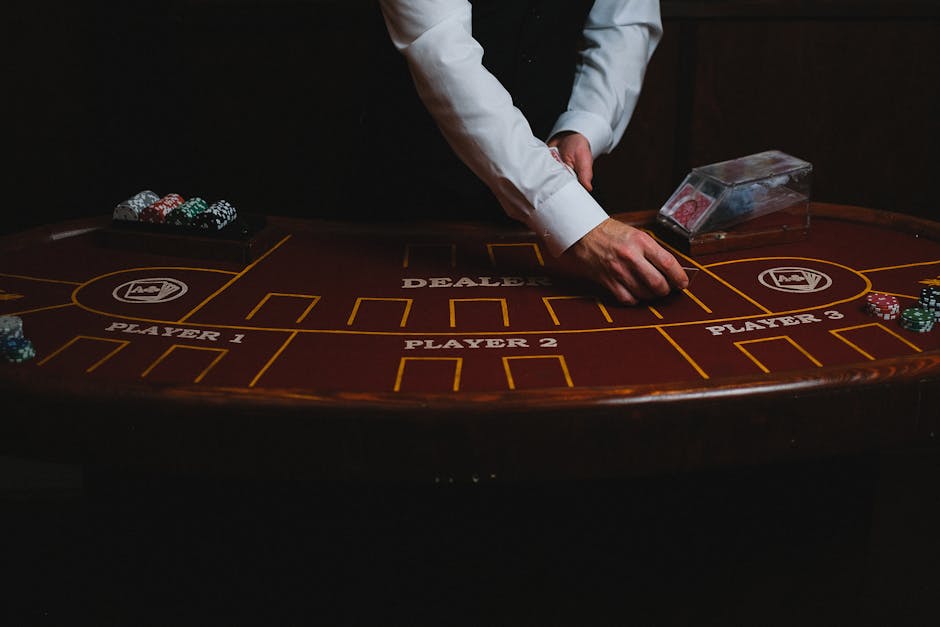
Animation and sound cues add another layer. A case opening, a prize being revealed or an offer appearing can be accompanied by movement and audio that mark the moment as important. On TV, a host, orchestra, studio lights and audience reactions help shape suspense. In a digital version, animation and sound cues can provide a more compact form of that signalling, especially when the game is played without the surrounding social atmosphere of a studio.
These cues are not merely decoration. They help users identify the sequence of events and understand when a decision is required. A well-designed reveal can be read at a glance; a distinctive offer screen can make the choice between dealing and continuing clear. At the same time, dramatic presentation can make a routine interface feel more consequential than it is. The music may suggest a turning point, but the sound itself does not alter the underlying probabilities.
Phones put practical limits on that presentation. A large TV can show a contestant, host, case lineup and prize board at once. A phone screen has less room. The interface has to prioritise the most useful information, and details may be smaller, tucked into menus or presented in stages. Phone screen constraints can therefore affect how easily a player compares prizes, reads rules or checks an offer while the round is underway.
Adaptation is not the same as replication
A television episode and a casino game have different jobs. The TV version tells a story: it introduces a contestant, establishes stakes, stretches out uncertainty and resolves the episode. A digital adaptation needs to make a repeatable game work on an interface. It may shorten the set-up, move more quickly between decisions and use automated systems in place of a host and production team.
That means familiar imagery does not guarantee a one-to-one recreation. A casino game may preserve the format’s central decision while changing its pacing, presentation or prize mechanics. It may also be designed for short sessions rather than a complete episode. The player should treat it as its own product, not as a substitute for watching the show or as proof that the televised rules apply unchanged.
Entertainment coverage can help place a familiar format in context. Leisurebyte, for example, covers television and entertainment topics for readers looking for accessible discussion of popular formats. The Associated Press is another recognised source of broader news coverage, though neither a general entertainment article nor a news report should be treated as a substitute for the game’s current rules. For the exact mechanics of a specific MrQ Casino title, the game’s information panel and operator terms are the relevant references.
Probabilities and costs: the part the TV drama can hide
In the television format, viewers often focus on what remains in the prize pool and whether the contestant should take a particular offer. That is natural: the show frames the decision as a dramatic contest between caution and optimism. In a real-money adaptation, however, the player should also consider the cost of taking part and how the game’s outcome system works.
Seeing several high-value prizes still available does not, by itself, tell you the probability of winning one. The answer depends on the game’s rules and the way outcomes are generated. A prize ladder is useful information, but it is not a promise that a particular outcome is likely. Nor does a run of low or high results establish what will happen next.
Before playing, look for information about:
- How a round works: the number of cases or selections, the order of play and what happens after each reveal.
- Prize values and offers: whether displayed amounts are fixed, how offers are determined and which outcomes are possible.
- Game terms: any stated return-to-player information, game limits or other rules that apply to the title.
- Money at risk: the stake required for a round and how quickly repeated rounds can add up.
- Withdrawal and account conditions: the applicable operator terms, including any restrictions or verification requirements.
The phrase real-money adaptation is important because a player’s choices take place in a wagering environment, not merely a free TV companion app. A casino game can be enjoyable as entertainment, but the stake is a cost, and a possible prize is not guaranteed income. The game should not be approached as a way to make money or recover previous losses.
Set a spending limit before starting, decide how long you are willing to play and stop when you reach either limit. If a session stops being enjoyable or you feel pressure to continue, step away. Responsible-play tools and support options may be available through the operator or relevant local services; their availability and details can vary by location.
What the phone changes
Playing on a phone makes the format portable and immediate. There is no need to wait for a scheduled broadcast or sit through the full structure of an episode. A player can open a game, make a selection and see the next result in a short session. That convenience is part of the appeal, but it also removes some of the natural pauses that television provides.
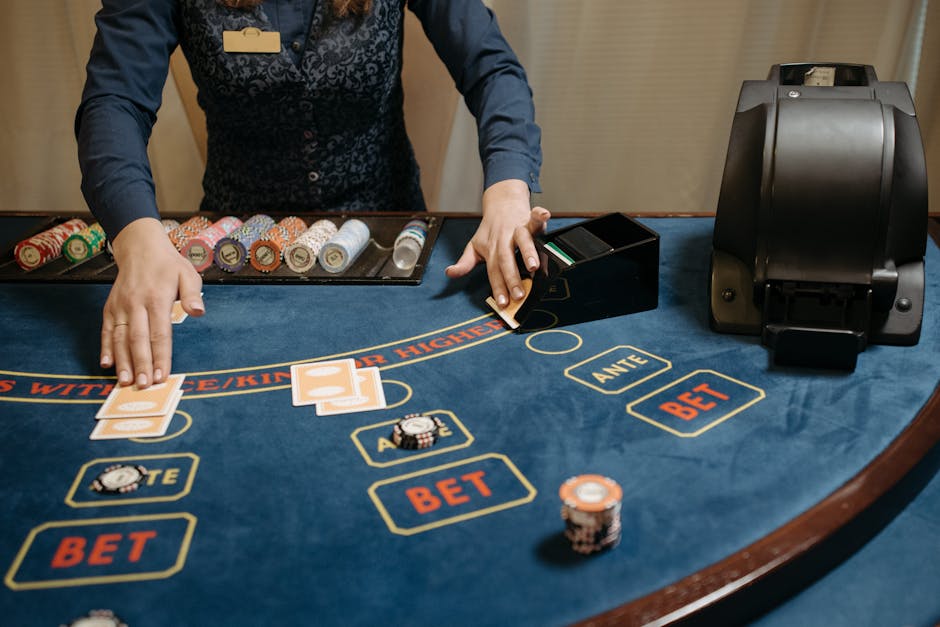
On a show, conversations, contestant stories and studio reactions create breathing room between decisions. A digital game may move from reveal to offer with little interruption. If the interface is designed for quick play, the player has to create their own pause—by reading the rules before starting, taking a break between rounds or closing the game when their planned session is over.
Small-screen design also affects clarity. A player should be able to find the prize values, rules and relevant account information without relying only on the animation. If text is difficult to read, rotate or enlarge the display where possible, or consult the game information before wagering. The more convenient a phone makes play, the more useful it is to make deliberate choices about when and how mobile UI labels for games to use it.
What stays the same—and what does not
Element Watching on TV Playing a casino-style version Core idea Follow cases, prizes and a deal-or-continue decision Engage directly with a digital version of the premise Who decides The contestant makes the official choices The player makes selections and decisions in the game Suspense Built through editing, hosting, music and audience reaction Often signalled through interface design, animation and sound cues Pacing Structured as a produced episode May be faster and designed for repeatable short sessions Financial stakes Viewers can play along without wagering on the episode Real-money play involves a stake and potential financial lossSo, what is the biggest difference?
The biggest difference is not the cases or the familiar question of whether to deal. It is the player’s role. Television invites viewers to imagine what they would do; a casino adaptation asks them to act within a digital game. That makes the experience more immediate, but it also makes the rules, probabilities and costs more relevant to every decision.
MrQ Casino’s Deal or No Deal can be understood as a real-money adaptation of a familiar entertainment format, not as a broadcast episode reproduced on a screen. The simplicity of the premise, recognisable props and animation and sound cues help it make sense quickly. Phone screen constraints and a different purpose shape how it is presented, while the direct participation changes the stakes.
For someone who enjoys the show, that combination may be appealing: familiar format, hands-on choices and a shorter digital experience. The sensible approach is to appreciate the resemblance without assuming the rules are identical, check the game details before playing and treat any wager as entertainment spending. On TV, the drama belongs to the contestant. In a casino-style game, the choice—and the cost of making it—belongs to the player.