Is Buying Wellness from an Artist a Parasocial Thing?
The wellness industry has exploded into a vast, sprawling marketplace where products and experiences promise better health, emotional balance, and even spiritual alignment. But recently, a new trend has emerged — wellness products and services endorsed, created, or branded by artists, influencers, and content creators. This shift raises an intriguing question: is buying wellness from an artist a parasocial thing? In other words, when fans purchase wellness products linked to creators, are they engaging more with the creator's persona and fan identity than the product’s actual merits?
Creator Economy Meets Wellness: A Natural Collision?
The so-called You can find out more “creator economy” has transformed how consumers interact with brands. Platforms like Instagram and apps such as Hint.app — built specifically to help creators monetize their audiences in authentic ways — have paved the road for artists to enter spaces traditionally dominated by established wellness brands.
Why does this happen? Because creators already have deep, emotional connections with their audiences. Through daily stories, posts, and comment replies, artists build a sense of trust and intimacy. This dynamic creates fertile ground for launching wellness products that range from supplements and skincare lines to meditation apps and holistic coaching.
Instagram as a Launchpad
Instagram, especially, serves as a direct channel between creators and fans. Wellness brands know the power of visually driven endorsements where the influencer both embodies the lifestyle and markets products in one seamless feed. Instagram Stories with “swipe up” links or hint.app review embedded Hint.app shops make impulse purchases feel like a personal recommendation from a friend.
Hint.app and Creator Commerce
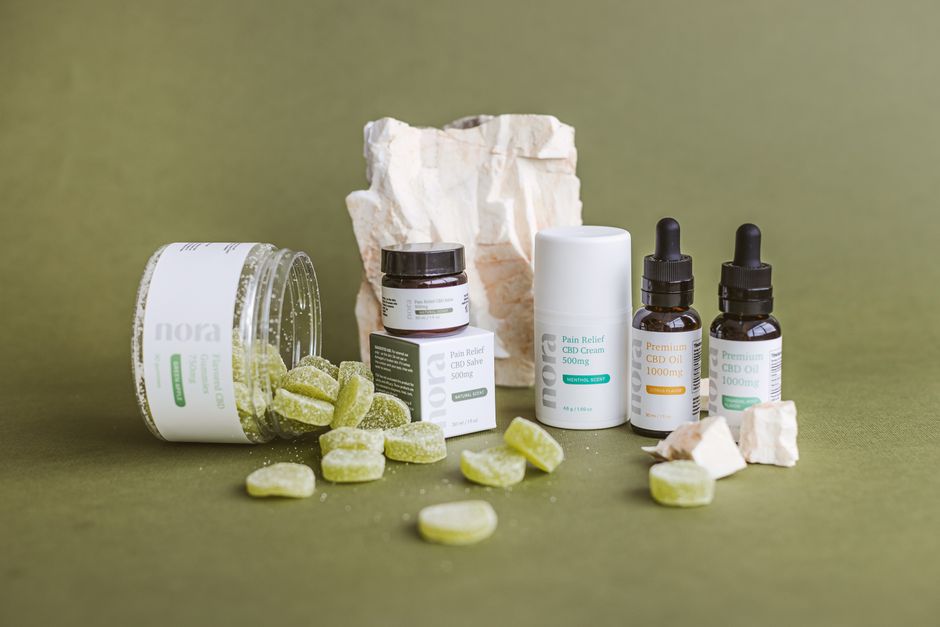
Hint.app is one of the more interesting tools in this space. It provides creators with a customizable storefront integrated into their social media profiles, allowing users to browse and buy curated products without leaving the app. The app's simplicity lowers friction — fans don’t have to search, compare, or vet products on their own; they trust the creator to have done the homework for them.
Brand Partnerships and Licensing: Authentic Collaboration or Just Cash-In?
The wellness boom entices brands and creators alike to collaborate in licensing deals and brand partnerships. While some partnerships are genuinely aligned with the creator’s values and expertise, others look like hastily assembled cash grabs. This raises questions about creator trust and whether fans can distinguish between heartfelt endorsements and blind marketing.
- Aligned Partnerships: Creators with backgrounds or authentic interest in wellness launch their own branded lines—think a musician launching a meditation app or a visual artist selling organic skincare they personally use.
- Opportunistic Deals: Some collaborations feel transactional, where a big-name artist slaps their brand on a generic supplement or wellness product with minimal involvement.
The difference matters for fan identity. Fans who see a creator’s lifestyle embodied through a tangible product feel more connected. But when partnerships are vague or over-polished—think buzzwords like “detox” with no clinical backing—skepticism creeps in.
Parasocial Marketing and Fan Trust: The Double-Edged Sword
Parasocial relationships describe the one-sided emotional attachments fans develop with creators or celebrities. When a wellness product is sold directly through these relationships, marketing becomes deeply intertwined with fan identity, creating a complex ecosystem of trust and influence.
Benefits of Parasocial Marketing for Wellness
- Higher Engagement: Fans pay attention to creators’ wellness routines because they see themselves reflected in these lifestyles.
- Stronger Purchase Intent: Fans are more willing to try a new supplement or routine if recommended by someone they admire.
- Community Building: Products act as badges of membership — a shared experience that reinforces belonging.
Risks and Challenges
- Blurred Authenticity: When does genuine care end and sponsorship start? Fans can feel manipulated if marketing messages don’t feel transparent.
- Overstated Efficacy: Parasocial marketing can gloss over product shortcomings, since fans may want to believe in the creator’s endorsement more than the science behind the product.
- Pressure on Creators: Creators juggling creative work and product success might burn out or face backlash if the product disappoints.
Product Categories and Positioning in Creator-Driven Wellness
Creators aren’t entering the wellness space blindly. Certain categories are especially amenable to the parasocial marketing effect:
Product Category Why It Works for Creator Wellness Common Pitfalls Supplements & Vitamins Easy to brand with “routine” storytelling; visible rituals fit content-driven trust-building. Lack of regulatory oversight; vague health claims raise red flags. Skincare & Beauty Products Highly visual and lifestyle-oriented; daily use keeps fans engaged. Formula opacity; overreliance on buzzwords (“clean,” “natural”) without proven benefits. Apps & Guided Experiences Direct delivery of value (e.g., meditation, journaling); recurring revenue aligns with ongoing fan engagement. Requires ongoing content quality; technical issues or lack of innovation may drive users away. Fitness & Coaching Programs One-on-one or group coaching can deepen community and trust. High time commitment for creators; risk of commoditizing personal advice.So, Is Buying Wellness from an Artist a Parasocial Thing?
Short answer: Yes, it often is. But that doesn’t have to be a bad thing. Parasocial marketing leverages genuine relationships and shared identity to make wellness products feel less transactional and more personal.
The key is transparency, authenticity, and informed positioning. Fans aren’t just buying a product; they’re buying into a lifestyle curated and embodied by the artist. They want to feel part of a community and supported in their own wellness journeys. The risk is when this dynamic is exploited without clear intentions or when products fail to deliver genuine benefits.
From the Instagram posts driving the hype to multi-product storefronts on Hint.app, wellness creators must balance their creative brand identity with responsible marketing — or risk losing the very trust that fuels their success.

Final Thoughts: Who Actually Makes These Products and Where Are They Sold?
This question matters more than ever. Many creators partner with third-party manufacturers or wellness brands to do the heavy lifting. Some use white-label suppliers to slap their name on generic products, while others get deeply involved in product development.
Platforms like Hint.app can blur the lines, offering storefronts that feel direct but ultimately funnel purchases to larger retail networks. As consumers and fans, demanding transparency about who formulates these products and how they are vetted is crucial.
Remember, buying wellness from an artist isn’t just a transaction; it’s a statement of trust and identity. Whether that trust pays off in real benefits or just good vibes depends on the creators’ authenticity and your savvy as a consumer.