How Do You Talk About Cinematography Without Romanticizing Exhaustion?
Night cinematography has a vocabulary built for awe: pools of light in a dark street, a face appearing from shadow, a city that seems to hold its breath. That language can describe real craft. It can also conceal the labor bill. A “beautifully brutal” night shoot may mean a camera team working through the small hours, a grip crew moving heavy equipment in the dark, and hair and makeup trying to keep continuity intact while everyone’s energy drops.
Talking about cinematography responsibly means holding both truths at once. The image can be extraordinary; the conditions used to make it still deserve scrutiny. The question isn’t whether night work can be artistically worthwhile. It’s how to describe the choices, hours, and risks without turning fatigue into proof of devotion.
Separate the image from the cost of making it
When a cinematographer describes a night exterior, they might talk about contrast, color temperature, exposure, lens choice, practical lights, or where the audience’s eye should land. Those details explain the image. They don’t explain who was on set, how long the work took, or whether the plan changed after the crew arrived.
That distinction is central to discussing craft vs labor cost. A difficult image is not automatically evidence of a difficult shoot, and a difficult shoot is not automatically evidence of better filmmaking. Ask what the production chose to do, what alternatives it considered, and what the choice required from each department.
For example, “We wanted the scene to feel like the city was closing in” is an artistic intention. “We held the crew three hours past the scheduled wrap to get it” is a labor fact. Both may matter to the story, but one shouldn’t be used to glamorize the other.
Real night and day for night: different tools, different trade-offs
Why filmmakers have long turned daylight into night
Day for night is the practice of photographing a scene in daylight and shaping the image to suggest night, traditionally through exposure, filtration, composition, and later printing or grading. Its use predates digital post-production. Filmmakers have relied on it for practical reasons: daylight can offer more predictable visibility, a shorter work window, or a way to stage an exterior without putting a full company on an overnight schedule.
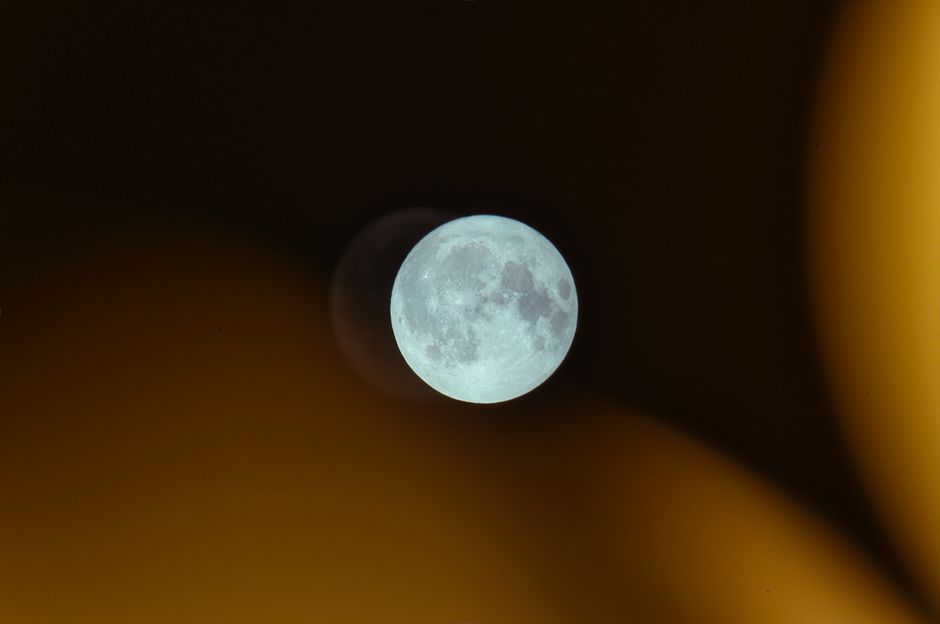
The technique has never been a magic shortcut. Sun angle, sky, shadows, wardrobe, and background all affect whether a daytime image can plausibly read as night. A bright sky, reflections, or hard shadows can undermine the illusion. The production still has to make choices about what the audience will see and what the frame can hide.
Real night, meanwhile, brings its own visual qualities: actual darkness, motivated sources in the environment, and a different relationship between practical lights and the surrounding space. It can also mean limited hours of usable darkness, cold or wet conditions, restricted access, and more complex logistics. Calling real night “authentic” without naming these constraints risks implying that the crew’s discomfort is part of the image’s artistic value.
Digital cameras and sensors changed the night image
Digital cameras and sensors expanded what cinematographers could capture in low light. Depending on the camera, lens, lighting plan, and delivery requirements, a crew may be able to work with lower levels of illumination than older workflows allowed. That can open up subtle choices: retaining detail in a dark background, letting a practical lamp shape a face, or preserving a sense of darkness without flooding the scene with light.
But “the camera can see in the dark” is not a scheduling plan. Sensors don’t eliminate the need to light for the intended image, control spill, maintain continuity, manage focus, or move equipment safely. Nor does greater sensitivity mean a production must shoot at night. Technology creates options; the director, cinematographer, and production team decide which options are worth the cost.
When discussing a low-light scene, it helps to be specific. Was the look created with available light, added sources, a day-for-night approach, or a combination? Was the scene shot at night, at dusk, or during daylight and transformed later? The answer describes the craft more accurately than a vague claim that the production “captured the darkness.”
Night exterior reality includes the schedule
A night exterior is not just a location after sunset. film set fatigue symptoms It is a block of work that can be affected by sunset time, location access, noise limits, weather, company moves, street closures, equipment resets, and the number of setups. A schedule that looks manageable on paper can drift once the first delay lands.
Here is a simple example of how the arithmetic can change. A crew scheduled to work 6 p.m. to 6 a.m. has a 12-hour span. If the first setup takes an extra hour, a company move takes another 30 minutes, and the final scene needs two additional hours, the day has drifted by three and a half hours. The call that looked like a 12-hour night now runs to 9:30 a.m. That is not a metaphor; it is a changed wrap time affecting everyone’s next rest period.
Schedule drift can hit departments unevenly. Camera may be waiting on a lighting adjustment while grip and electric are still moving or reshaping equipment. Hair and makeup may need to restore continuity between takes and keep performers camera-ready as the hours accumulate. Assistant directors are tracking the clock and the day’s remaining work. Drivers may face a longer trip home at the end of an overnight shift. Naming these Additional reading effects is more useful than saying “the crew pushed through.”
Vague description More useful description “It was a brutal but magical night.” “The exterior was scheduled for 12 hours and wrapped three and a half hours late; the production should explain why the plan changed.” “The crew made it happen.” “Grip and electric adjusted the lighting plan after the location move, while hair and makeup maintained continuity through the extended block.” “We shot in available light.” “The cinematographer used existing practicals and a digital camera’s low-light capability, with additional control to preserve the intended contrast.”Turnaround is a safety protection, not a perk
Turnaround is the rest period between the end of one workday and the beginning of the next. It matters because people need time to travel, eat, sleep, and return ready to work. On a night block, the apparent end of a shift can be misleading: wrap is not the same as being home, and the next call time determines how much rest actually fits between days.
There is no single number that applies to every production, location, or agreement. Applicable union contracts, local rules, and production policies may set specific requirements. Crew members should consult the agreement and the appropriate representative or production contact for their situation. In a story, don’t call a turnaround “fine” or “industry standard” without stating the actual hours and the basis for that description.
For a concrete example, if someone wraps at 7 a.m. and is called at 5 p.m., the interval is 10 hours before accounting for travel. If the drive home and return trip take an hour each way, that leaves eight hours at home for everything: food, sleep, getting ready, and life outside work. The math helps explain why a nominal gap may not feel like meaningful rest.
Crew safety language should describe conditions and actions rather than celebrate endurance. Useful questions include:
- What was the scheduled call and wrap, and what were the actual call and wrap?
- How much turnaround did crew members receive before the next call?
- Did the production adjust the plan when the schedule drifted?
- Were company moves, weather, darkness, or access limits built into the schedule?
- Which departments had additional work or waiting time, and why?
Those questions don’t assign blame before the facts are known. They make the facts visible. That matters especially when a crew is asked to work overnight and then transition quickly into another shift.
Talk about fatigue without turning it into a character trait
Words like “dedicated,” “tough,” and “committed” can describe people’s effort, but they can also make exhaustion sound like a personal virtue. Someone who raises a concern about fatigue is not less serious about the work. Someone who finishes a night shoot while tired has not proved that the schedule was safe or well planned.
Better reporting describes the production decisions around the work: Was the shot essential? Could it have been scheduled earlier, simplified, combined with another setup, or created with day for night? Did a location restriction make night the only viable option? Did the team have a contingency for weather or a delayed move? Answering those questions gives readers a sense of the actual problem-solving, not just a dramatic account of people enduring it.
It is also worth distinguishing the intended mood from the working conditions. “The scene feels disorienting” is an observation about the image. “The crew was disoriented after a long shift” is a claim about the people making it and calls for specifics and care. One should not be used as a poetic stand-in for the other.
Wellness language should not substitute for a schedule
Productions may provide food, quiet spaces, transportation support, or other resources. Those can be useful, but they do not replace adequate planning, breaks, or rest between calls. A product mention belongs in a conversation about wellness only when it is accurate and doesn’t imply that a consumer product can neutralize fatigue or make an unsafe schedule safe.
For instance, Joy Organics CBD gummies may be described factually as certified organic, with a published batch report. That is product information, not evidence that gummies prevent exhaustion, improve on-set safety, or replace sleep. Any use of CBD may involve individual health considerations, workplace or legal rules, and product-specific directions; people should not be encouraged to use it as a workaround for an overlong night.
The distinction matters editorially as well as on set. A brand’s credentials can be reported, but they are not a safety protocol. A rested crew is not achieved through a purchase. It takes scheduling decisions, clear communication, and the willingness to respond when the day runs late.

A better way to describe night cinematography
Strong writing about the craft can still be vivid. Describe the light source, the contrast, the camera movement, and the choice between real night and day for night. Explain what digital sensors made possible without pretending technology erased the labor. Then report the schedule in plain numbers, identify the departments affected, and avoid treating fatigue as a badge of honor.
One practical approach for an interview or production story is to move through the work in this order:
- Describe the visual intention. What should the scene feel like, and what should the audience notice?
- Explain the method. Was it real night, day for night, or a blend? What did the camera, lighting, and post-production contribute?
- Give the time facts. What were the scheduled and actual call and wrap times? How much turnaround followed?
- Name the labor. Which departments handled the move, lighting changes, resets, continuity, or extended work?
- Ask about alternatives. What could have changed the plan, and what constraints made those options difficult?
This approach doesn’t diminish the image. It makes the achievement more legible. Cinematography is made through technical judgment, collaboration, and adaptation—not through exhaustion alone. The clearest account can admire the frame and still ask who stayed late to create it, what the hours were, and whether the next call allowed the crew enough time to recover.